

Integrated Attachment Theory (IAT)-Informed Therapy in Sacramento
Understand Your Attachment Patterns. Heal the Wounds Beneath Them.

You may understand why you react the way you do and still feel unable to change it. You may know that a relationship is unhealthy, yet feel pulled back into the same cycle. Perhaps you become anxious when someone feels distant, avoid difficult conversations, overgive to keep the peace, or struggle to trust even when you want closeness.
These reactions are not signs that you are broken. They are often protective patterns that developed through earlier relationships and experiences. At Four Seasons Counseling, we use an attachment-focused approach informed by Thais Gibson’s Integrated Attachment Theory™ (IAT™) to help you understand these patterns, address the core wounds underneath them, and develop healthier ways of relating to yourself and others. Michele is currently completing advanced certification training in Gibson Integrated Attachment Theory™ and thoughtfully integrate this framework within licensed psychotherapy.
What Is Integrated Attachment Theory™?
Integrated Attachment Theory™ is a personal-development and relationship framework developed by Thais Gibson. It brings together attachment concepts with practical work involving core wounds, unmet needs, emotional regulation, communication, boundaries, and deeply held beliefs.
The approach looks beyond an attachment-style label. Instead, it asks important questions: What experiences shaped your expectations of love and safety? What meaning did you make from those experiences? Which needs went unmet? What beliefs and protective responses continue to influence your life today?
As a licensed therapist currently completing certification training in Gibson Integrated Attachment Theory™, I draw from IAT-informed concepts to help you recognize these connections and practice new ways of thinking, communicating, and responding. This work is integrated with established psychotherapy approaches and tailored to your history, symptoms, strengths, and goals.
When Old Relationship Patterns Keep Repeating
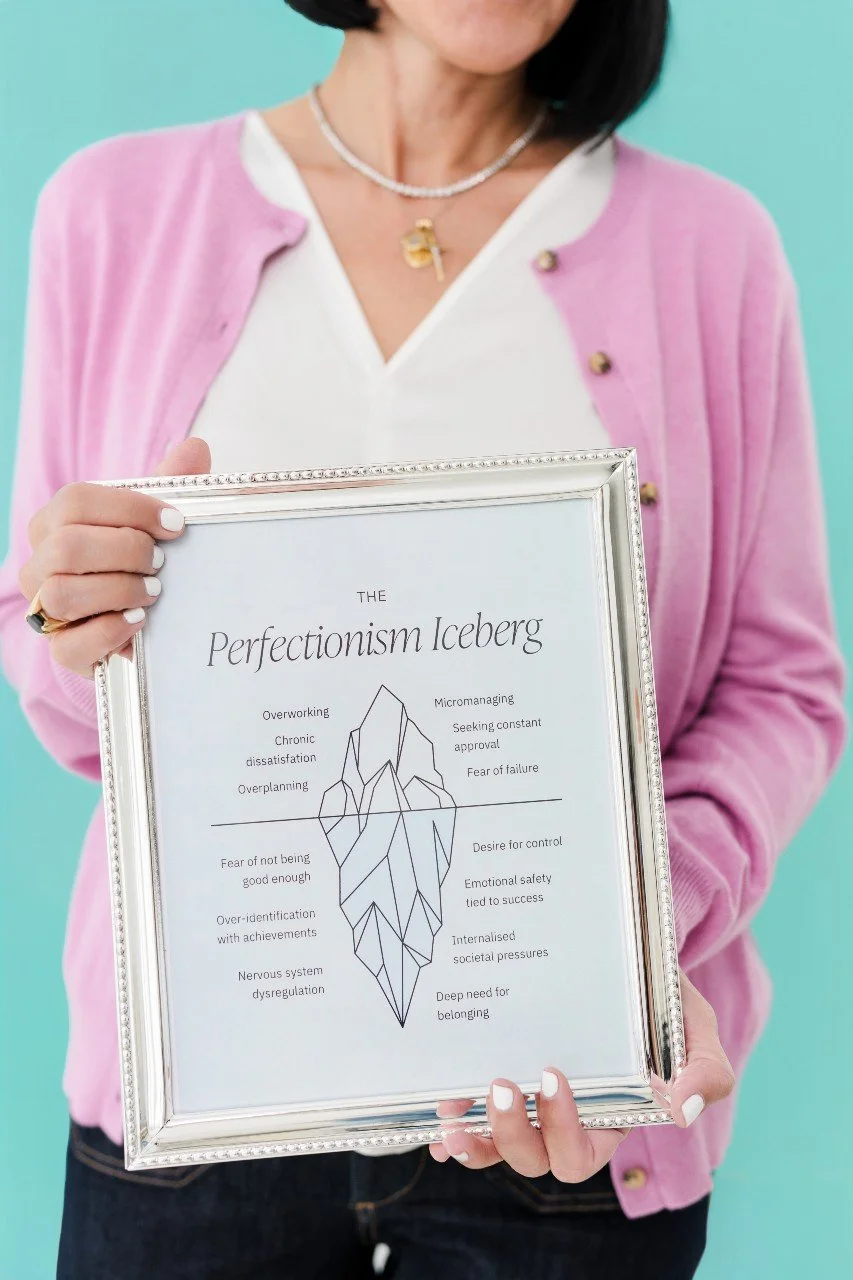
Attachment wounds can affect much more than romantic relationships. They may shape how you handle conflict, set boundaries, respond to criticism, ask for help, manage uncertainty, and view your own worth.
You may notice that you:
Worry that people will leave, reject, or replace you
Feel responsible for other people’s feelings
People-please, overexplain, or abandon your own needs
Become highly anxious when communication changes
Pull away, shut down, or feel trapped when others get too close
Struggle to trust people or depend on anyone
Feel drawn to emotionally unavailable or inconsistent partners
Repeatedly question whether you are lovable or “good enough”
Have difficulty setting boundaries without guilt
Understand your patterns intellectually but still feel controlled by them
Repeating some of the same patterns of emotional immaturity as caregivers that they themselves experienced in childhood

How Core Wounds Affect the Present
Painful experiences can create deeply held conclusions such as:
I am not good enough.
I am unlovable.
I do not matter.
I will be abandoned.
I cannot trust anyone.
My needs are too much.
I have to earn love.
I am responsible for keeping everyone happy.
These beliefs may operate automatically, especially when a current situation resembles an earlier emotional experience. A small moment in the present can activate a much older fear. You may then react intensely, shut down, overfunction, or seek control before you have time to understand what happened.
Attachment-focused therapy helps make these automatic connections more visible. As you recognize the wound, identify the unmet need, and learn a healthier response, the pattern can gradually lose its power.
Four Seasons Counseling Provides Attachment Focused Therapy

How IAT Supports Healing Across the Areas That Matter Most
Our earliest relationships often shape what we learn to expect from ourselves, other people, and even God. Gibson Integrated Attachment Theory™ (IAT) helps uncover the subconscious beliefs and attachment patterns that may be influencing your emotions, relationships, and reactions today. By identifying these patterns and practicing new ways of responding, you can begin creating greater security within yourself and in your relationships.
Childhood and Family-of-Origin Wounds
Growing up with emotionally unavailable, critical, unpredictable, controlling, or immature caregivers can leave lasting beliefs such as “I’m not good enough,” “My needs do not matter,” or “I have to keep everyone happy to be loved.” IAT helps us recognize how these early experiences shaped your attachment style, emotional triggers, boundaries, and sense of self. Together, we work to challenge limiting beliefs, meet unmet emotional needs in healthier ways, and develop a more secure inner foundation.
Emotional and Narcissistic Abuse Recovery
Emotional and narcissistic abuse can cause you to question your perceptions, minimize your needs, and feel responsible for another person’s reactions. You may struggle with people-pleasing, chronic guilt, hypervigilance, difficulty trusting yourself, or fear of setting boundaries. Through IAT-informed therapy, we identify the subconscious patterns that may keep you seeking approval, overexplaining, or remaining emotionally attached to unhealthy dynamics. You can learn practical skills to rebuild self-trust, strengthen boundaries, recognize relational red flags, and create healthier connections without losing yourself.
Couples and Relationship Patterns
Attachment patterns often become most visible in romantic relationships. One partner may pursue reassurance while the other withdraws, creating a painful cycle in which neither person feels understood or emotionally safe. IAT helps couples look beneath conflict to identify the fears, unmet needs, and protective strategies driving their reactions. This work can help partners communicate more directly, respond with greater empathy, repair conflict more effectively, and build a relationship that feels safer, more connected, and more secure.
Faith, Attachment, and Emotional Healing
Our early attachment experiences can also influence how we understand and relate to God. If love felt conditional, inconsistent, or unsafe in childhood, you may struggle with guilt, perfectionism, fear of disappointing God, or difficulty trusting that you are loved and accepted. When desired, therapy can explore these patterns through a Catholic or Christian perspective. IAT can help separate painful family experiences from your understanding of God, challenge beliefs rooted in shame or fear, and support a more secure relationship with yourself, others, and your faith.
Our Approach
Alongside EMDR, we use Thais Gibson’s Integrated Attachment Theory™ (IAT) to help clients understand how emotional and narcissistic abuse may have shaped their attachment patterns, core beliefs, and emotional responses. IAT helps clients identify and reshape the subconscious beliefs and attachment patterns connected to those experiences.
Through IAT, clients also learn practical techniques and skills to recognize their triggers, meet underlying emotional needs, challenge limiting beliefs, set healthier boundaries, and develop more secure relationship patterns. By addressing both current symptoms and their underlying roots, these approaches can support lasting relief, healthier relationships, and a stronger sense of safety and self-trust.
All of us have early life experiences that affect the way we function, perform, parent, and relate to those around us. As therapists, our role is to help you identify and understand the patterns that resulted from emotional neglect, trauma, or narcissistic abuse so that you can live with greater peace and connection.
Moving Beyond Insight: Attachment Work, EMDR, and CBT
Insight is important, but insight alone does not always change an emotional reaction. You may know that your partner is not your parent or that a present disagreement is not the same as an earlier rejection, yet your body and emotions may still respond as if the old danger is happening again.
Depending on your needs, I may integrate IAT-informed attachment work with:
EMDR Therapy
EMDR can help address distressing memories, attachment injuries, and negative beliefs that continue to feel emotionally active. It is not about forcing you to relive every detail. EMDR uses a structured process to help the brain reprocess experiences so that the past feels more like the past and present-day triggers become less intense.
Cognitive Behavioral Therapy
CBT helps you identify unhelpful thoughts, test the assumptions driving your reactions, and develop more balanced ways of interpreting yourself, other people, and relationships.
Trauma-Informed and Attachment-Focused Therapy
We work at a pace that supports emotional safety. Therapy may include identifying triggers, understanding protective responses, strengthening boundaries, learning to meet needs in healthy ways, improving emotional regulation, and practicing more direct communication.
Together, these approaches can help you work with both the experiences that shaped the pattern and the skills needed to create change now.
What Can Change Through Attachment-Focused Therapy?
Over time, this work may help you:
Recognize triggers before automatically reacting
Understand the needs beneath strong emotions
Reduce people-pleasing and reassurance-seeking
Set clearer boundaries with less guilt
Communicate needs without overexplaining or shutting down
Build a steadier sense of self-worth
Choose relationships based on compatibility rather than familiar pain
Respond to conflict with greater flexibility
Develop healthier interdependence
Feel more secure in your relationship with yourself and others
Change does not require becoming a different person. It means developing enough safety and self-awareness to have more choices than the patterns you learned in the past.
Frequently Asked Questions About Therapy…
Do I Need to Know My Attachment Style Before Beginning Therapy?
No. You do not need to take a quiz, understand attachment theory, or arrive with a label before beginning therapy. Together, we will explore the experiences, beliefs, emotional triggers, and relationship patterns that are most relevant to you.
Your attachment style is not a fixed identity or a diagnosis. You may notice different patterns depending on the relationship or situation. For example, you might seek reassurance in romantic relationships, withdraw during family conflict, or become overly responsible for other people’s emotions.
Using IAT, we can identify the underlying needs, fears, and subconscious beliefs connected to these responses. From there, you can learn practical skills to communicate your needs, regulate emotional reactions.
Can Attachment Styles Change?
Yes. Attachment patterns are not fixed personality types or permanent parts of who you are. They are learned ways of protecting yourself, meeting emotional needs, and responding to closeness, conflict, rejection, or uncertainty. Although these reactions may feel automatic, they can change with understanding and intentional practice.
Through therapy, you can identify the early experiences and subconscious beliefs influencing your current relationships. You can also learn to recognize emotional triggers, question negative assumptions, communicate your needs more clearly, and respond in ways that support connection rather than fear or self-protection.
Corrective emotional experiences, practical IAT skills, and consistent practice can gradually create new emotional and relational patterns.
Can This Approach Help After Narcissistic or Emotional Abuse?
Yes. IAT can help you understand why an unhealthy relationship may feel difficult to leave and identify the attachment wounds, fears, and subconscious beliefs activated by the experience. Therapy can help you rebuild self-trust, recognize unhealthy relationship patterns, reduce guilt and people-pleasing, and develop clearer limits in relationships. Treatment is personalized and may also incorporate EMDR and other trauma-focused interventions to support deeper healing.
Gibson Integrated Attachment Theory™ (IAT) is a framework developed by Thais Gibson. Four Seasons Counseling is an independent psychotherapy practice and is not affiliated with or endorsed by Thais Gibson or the Personal Development School. Michele currently is completing advanced certification training in Gibson Integrated Attachment Theory™.

You Can Create More Secure and Fulfilling Relationships
The patterns you learned in childhood or developed through painful relationships do not have to define your future. Through the therapy process, you can understand what drives anxiety, people-pleasing, emotional exhaustion, and unhealthy relationship cycles while learning more secure ways of relating to yourself and others.
For more information about IAT-informed therapy or to schedule an appointment with one of our therapists, please contact Four Seasons Counseling today, contact us.
Recent Posts

Integrated Attachment Theory InformedTherapy in Sacramento
455 University Avenue, Suite 215,
Sacramento, CA 95825